

Choosing a Surface Mount Bottle Filler
Need a surface mount bottle filler? Compare indoor, outdoor, ADA, and vandal-resistant options to buy the right unit at the best price.

A surface mount bottle filler is usually on the shortlist for one reason - your project needs fast, practical installation without opening up the wall or redesigning the whole area. That makes it a smart fit for schools, offices, parks, gyms, municipal buildings, and retrofit jobs where time, labor, and wall conditions all matter.
If you are buying for a live facility, the question is not whether bottle filling stations are useful. The question is which surface-mounted unit will hold up, meet code, fit the location, and arrive on budget. That is where buyers either make a clean purchase or end up with a unit that creates delays, callbacks, or avoidable replacement costs.
Why buyers choose a surface mount bottle filler
The biggest advantage of a surface mount bottle filler is right in the name. It mounts to the wall surface rather than requiring a recessed cavity. For many buyers, that means less disruption to the space and fewer surprises during planning.
This matters most in retrofit work. If you are upgrading an older school hallway, a public building, or a commercial break area, opening the wall can add cost quickly. A surface-mounted unit often keeps the project moving with less finish work and less downtime. For contractors, that can mean a more predictable install. For facility managers, it can mean fewer headaches coordinating trades.
That said, not every project should default to surface mount. If your site has tight circulation space or a design requirement for a flush profile, a recessed option may still be the better call. The right answer depends on wall conditions, traffic volume, abuse risk, and compliance requirements.

Surface mount bottle filler vs recessed options
When buyers compare a surface-mount bottle filler to a recessed model, the decision usually comes down to speed, wall depth, and exposure.
Surface-mounted units are often the easier choice when you want a practical upgrade without major wall modification. They are popular in schools and commercial interiors where existing plumbing locations drive the layout. They also make sense when your team wants to standardize product selection across multiple facilities and avoid project-specific framing changes.
Recessed models have a cleaner profile and may be preferable in narrow corridors. But they typically ask more from the wall and from the install scope. If your project is already under schedule pressure, surface mount often wins because it removes complexity.
For high-traffic public spaces, there is another factor: impact resistance. A unit that projects from the wall needs to be chosen carefully if carts, equipment, or rough use are likely. In those settings, build quality matters more than brochure language.
Indoor or outdoor surface mount bottle filler?
This is one of the first buying decisions to get right.
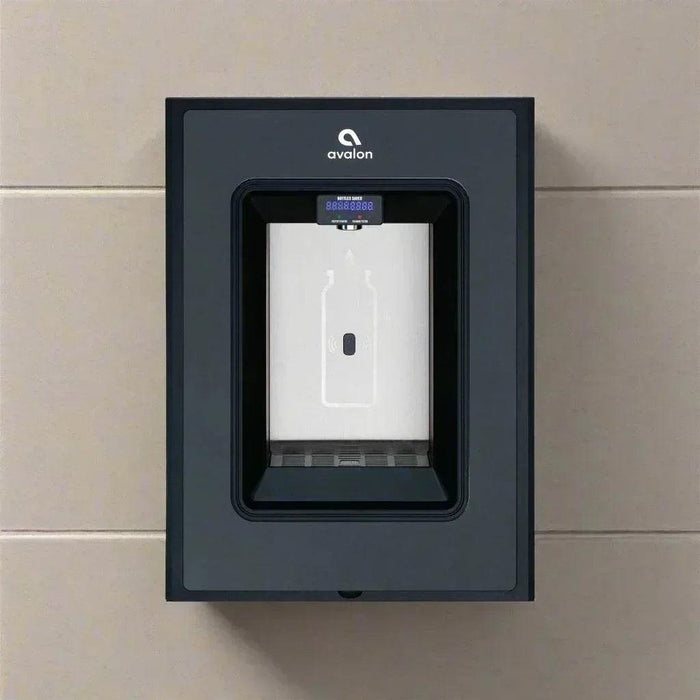
For indoor projects, buyers usually focus on finish, filtration, chilled water compatibility, ADA alignment, sensor activation, and whether the unit will pair with an existing drinking fountain. Schools, healthcare-adjacent facilities, offices, and fitness centers often want hands-free operation and a clean look that matches the rest of the building.
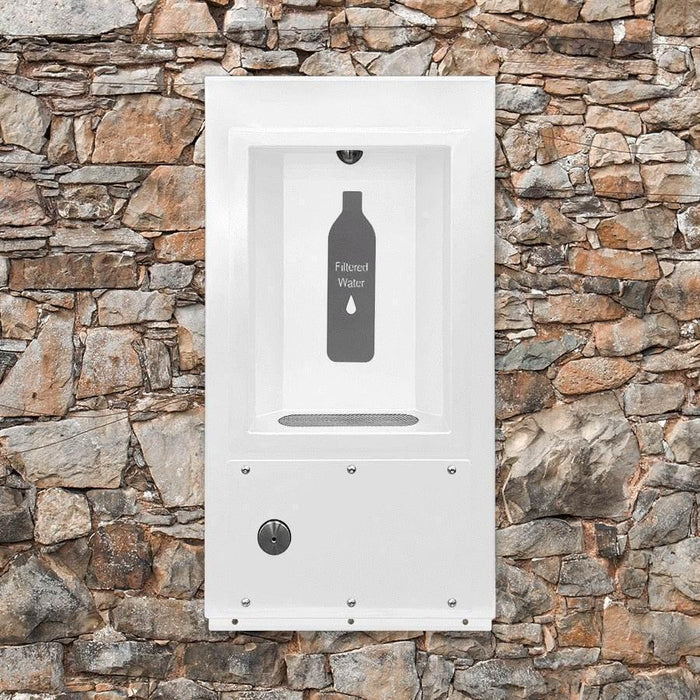
Outdoor projects are a different category. If the unit will be exposed to weather, public use, or seasonal temperature swings, you need an outdoor-rated bottle filler built for that environment. Not every indoor surface-mounted model can handle exterior conditions, and using the wrong product outside is one of the fastest ways to shorten service life.
Parks, athletic complexes, pool areas, campuses, and municipal sites should look closely at weather resistance, vandal resistance, and freeze-related considerations. In many outdoor applications, stainless steel and tamper-resistant design features are not optional extras. They are the reason the unit still looks and performs properly after a season of hard use.
The brands and build quality matter
If you are buying a surface mount bottle filler for a commercial or institutional site, brand quality is not a cosmetic issue. It affects lead times, warranty support, replacement parts availability, long-term reliability, and how much confidence you can have specifying the product.
That is why serious buyers tend to stay with proven U.S. commercial brands like Elkay, Haws, Halsey Taylor, Stern Williams, and Willoughby. These are names procurement teams, contractors, and facility managers already know. They are built for actual public and commercial use, not light residential duty dressed up as commercial.
There is also a practical purchasing benefit. Established brands usually provide clearer spec information and more consistent model families, which makes it easier to compare indoor versus outdoor options, bottle filler-only versus combo units, and standard versus vandal-resistant configurations.
What to check before you buy
The best purchasing decisions usually come from narrowing the field quickly. If you are evaluating surface mount bottle filler models, start with the conditions of use rather than the finish or the price tag.
Traffic level and user type
A private office break area does not need the same construction as a public park or a K-12 corridor. If your unit will serve heavy daily traffic, younger users, or unsupervised public access, move durability higher on the list. Strong housings, commercial valves, and tamper-resistant features will matter more than small aesthetic differences.
ADA and code requirements
For schools, municipalities, public buildings, and many workplace settings, accessibility is not a side note. Make sure the model you are considering aligns with project requirements for reach ranges, activation, and mounting conditions. If the bottle filler is part of a larger drinking fountain setup, that combination needs to be reviewed as a system, not as two separate products.
Filtered and chilled options
Some buyers want basic bottle filling only. Others need filtration, chiller compatibility, or a combined drinking fountain and bottle filler station. The right choice depends on user expectations and budget. A warehouse break room may not need the same feature set as a university building or premium fitness facility.
There is a trade-off here. More features can improve user satisfaction, but they also raise equipment cost and can affect lead times. If your timeline is tight, it helps to know which features are truly necessary and which are nice to have.
Finish and environment
Stainless steel remains the top choice for many commercial settings because it is durable, clean-looking, and well suited to high-use applications. For outdoor or abuse-prone locations, material quality should be a deciding factor, not an afterthought. A lower upfront price does not help if the unit looks worn early or needs replacement sooner than expected.
Best fit by project type
A surface mount bottle filler is not one-size-fits-all, and buyers usually get the best result by matching the unit to the site rather than chasing the broadest spec sheet.
For schools and universities, high throughput, ADA alignment, and dependable commercial construction usually take priority. Sensor-activated bottle fillers from trusted brands are often the strongest fit, especially for hallways, gyms, and commons areas.
For offices and workplace facilities, appearance and ease of use tend to matter more. Buyers often lean toward clean indoor units that pair well with existing fountains or replace older coolers with a more modern bottle filling solution.
For parks and public recreation, outdoor durability should lead the decision. Weather exposure, vandal resistance, and serviceability matter far more than premium indoor-style features.
For hotels, resorts, and fitness spaces, the right answer often depends on the guest experience you want to create. A polished indoor unit can support a more upscale feel, while poolside or outdoor zones need products that are purpose-built for exposure and heavier wear.
Price matters, but total purchase value matters more
Commercial buyers are right to push on price. But the lowest listed number is not always the best deal once you factor in freight, tax, warranty support, return policies, and whether you are buying from a specialist who actually understands the product category.
That is where procurement gets cleaner when you buy from a source that focuses on drinking fountains and bottle filling stations instead of treating them like one more line item in a giant catalog. Product guidance is better, brand selection is tighter, and the chance of ordering the wrong unit drops.
At The Fountain Direct, buyers get Lowest Price Guaranteed, free freight shipping, no sales tax, a 30-day return policy, and full manufacturer warranty coverage. That is the kind of value that matters when you are buying for a deadline, managing a budget, or trying to avoid a second round of approvals because the first unit was not the right fit.
When a surface mount bottle filler is the right call
If your project needs a commercial-grade bottle filling solution without the added complexity of recessed construction, surface mount is often the most efficient path. It works especially well in retrofit environments, active facilities, and projects where durability and speed matter just as much as appearance.
The key is choosing the right model for the actual conditions - indoor or outdoor, light traffic or public use, basic or feature-rich, standard duty or vandal-resistant. Serious buyers do not need more generic information. They need a unit that fits the job, arrives with the right support behind it, and holds up after install.
If you are comparing options now, buy the one that matches your site, your timeline, and your long-term maintenance expectations - not just the one with the cheapest sticker price.