A recessed bottle filler for hospital projects usually gets specified late, after the wall layout, ADA clearance, and corridor traffic patterns are already locked in. That is exactly why buyers get burned by the wrong unit. In a healthcare setting, you are not just picking a bottle filler that fits the opening. You are choosing for infection-control priorities, patient and staff traffic, code compliance, long-term durability, and whether the unit will still look right after years of hard daily use.
If you are buying for a hospital, clinic, outpatient center, or medical office building, the recessed format makes sense for one simple reason - it keeps the fixture out of the walkway. That matters in tight corridors, treatment areas, and public-facing spaces where carts, wheelchairs, and equipment are constantly moving. But recessed does not automatically mean better. The right choice depends on who will use it, where it sits, and whether you need a bottle filler only or a combination unit with a drinking fountain.
Why a recessed bottle filler for hospital spaces makes sense
Hospitals do not buy fixtures the same way offices do. Hallway depth, ADA concerns, housekeeping routines, and abuse resistance all carry more weight. A recessed unit reduces forward projection and helps keep circulation paths cleaner, which is a real advantage in older facilities and renovation projects where every inch matters.
There is also a practical appearance benefit. Recessed bottle fillers tend to look more integrated and less exposed than surface-mounted units. In patient-facing areas, that can matter. A bulky fixture sticking into a corridor can feel like an afterthought. A properly selected recessed station looks intentional and avoids the visual clutter that often shows up when multiple wall-mounted accessories compete for space.
That said, a recessed model is not always the fastest path. If your wall conditions are restrictive or the rough opening does not align with the product you want, lead times and framing coordination can affect the schedule. For fast-moving projects, this is worth checking before the submittal stage, not after.
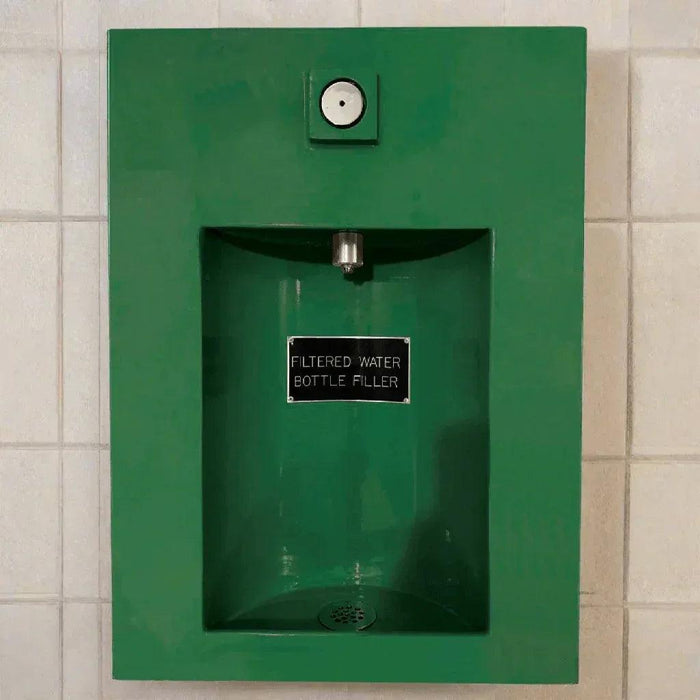
What buyers should prioritize first
The first decision is not brand. It is a use case.
If the unit is going into a public lobby, waiting area, or staff corridor, bottle count, ease of use, and visual finish usually matter most. If it is going into a behavioral health environment or a high-abuse area, vandal resistance and tamper-resistant construction move to the top of the list. If it is going into a patient care zone, splash control, touchless activation, and cleaning practicality become more important than cosmetic extras.
This is where many spec sheets look similar but are not equal in the field. Stainless steel construction, sensor activation, and filter compatibility may all appear standard, yet the real difference is how well the unit holds up under institutional use. Healthcare buyers should be looking for proven commercial-grade manufacturers, not bargain units built for light office traffic.
Recessed bottle filler for hospital compliance needs
A recessed bottle filler for hospital applications also has to work within accessibility and building requirements. Forward reach, operable parts, mounting height, and projection into circulation paths all need to be reviewed against the project conditions. In many cases, recessed units are selected specifically to help with protrusion concerns, but that only helps if the rest of the station is configured correctly.
For buyers working from plans, combination units can be the safer route when the project needs both fountain access and bottle filling in one coordinated station. For buyers retrofitting an existing wall, a dedicated bottle filler may be the cleaner answer if the goal is to serve staff and visitors carrying bottles without adding unnecessary footprint.
Filtered versus non-filtered is another real decision point. In hospitals, filtered units are often preferred for staff and visitor confidence, especially in newer wellness-focused facilities. But filtration brings ongoing cartridge replacement and operating cost. If the facility already has centralized filtration or the bottle filler is going into a back-of-house service area, a non-filtered model may be the better value.
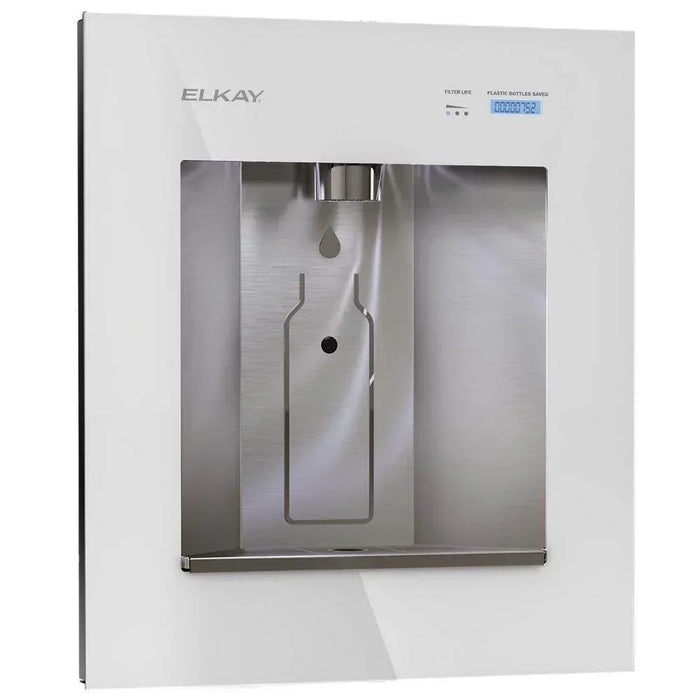
Which brands are usually worth considering
For hospital and medical building buyers, the short list usually starts with established U.S. commercial brands such as Elkay, Haws, Halsey Taylor, Stern Williams, and Willoughby. Each has strengths depending on the application.
Elkay and Halsey Taylor are often strong choices for mainstream healthcare projects where touchless bottle filling, filtered options, and clean aesthetics are key. These are common selections when buyers want a familiar specification with broad acceptance across architects, engineers, and contractors.
Haws is frequently considered when buyers want premium commercial construction and dependable institutional performance. Stern Williams and Willoughby become more relevant when the project calls for specialty institutional fixtures, heavy-duty construction, or stricter durability demands. The right answer depends on whether your priority is appearance, standardization, abuse resistance, or special environment requirements.
This is also where buying from a specialist matters. A hospital buyer does not need a giant general catalog full of marginal options. You need the right models, from brands that are already trusted in institutional settings, with clear pricing and product guidance that respects the project timeline.
Bottle filler only or combination unit?
For many hospital projects, this is the key fork in the road.
A bottle-filler-only recessed station makes sense when users primarily arrive with reusable bottles and the goal is quick refill access without a larger fixture assembly. These work well in employee corridors, break areas, administrative floors, and some outpatient settings.
A combination unit is often the safer choice in mixed-use public areas. Visitors may not carry bottles. Patients may need a traditional drinking option. In those settings, a recessed bottle filler paired with a compliant fountain covers more use cases and avoids complaints after occupancy.
There is a trade-off, though. Combination units typically require more coordination and can affect both wall design and budget. If the project does not truly need the fountain portion, forcing a combo unit into the spec can add cost without adding much value.
What can go wrong if you choose the cheapest option
On paper, low-cost bottle fillers often look fine. In a hospital environment, that is rarely enough.
The weak points usually show up fast: slower fill performance, less reliable sensor operation, lower-grade finishes, harder-to-source replacement parts, and housings that show wear earlier than expected. In healthcare, where appearance and uptime both matter, the lowest upfront price can become the most expensive choice once call-backs, complaints, or replacement cycles start stacking up.
Procurement teams also need to think about warranty support and manufacturer stability. A discounted import with vague support is a much bigger risk in an institutional setting than in a small office remodel. Hospitals generally benefit from sticking with established commercial brands that stand behind the product and have known part availability.

How to buy with fewer delays and fewer surprises
The smoothest hospital purchases happen when the buyer verifies three things before ordering: wall type, intended user group, and whether filtration is required. Those three details eliminate most spec mismatches.
It also helps to confirm finish expectations early. Stainless steel is usually the standard pick for healthcare because it holds up well visually and fits most interior palettes. Specialty finishes can work in premium spaces, but they may extend lead times or complicate matching across multiple fixture types.
If the project is tied to a firm opening date, availability matters just as much as spec compliance. That is one more reason buyers tend to work with a specialist retailer instead of a broad-line supplier. You want someone who can narrow the field quickly, flag problem SKUs, and help you avoid ordering a unit that looks right online but does not fit the application.
Where hospital buyers get the best value
The best value is not just the lowest line-item price. It is the combination of correct product selection, dependable manufacturer support, and a purchasing process that does not waste your team’s time.
That is why many buyers choose The Fountain Direct. You get commercial and institutional-grade options from top U.S. brands, manufacturer warranty coverage, free freight shipping, no sales tax, a 30-day return policy, and a price match guarantee. For procurement teams, contractors, and facility managers, that means fewer purchasing headaches and a better shot at landing the right recessed bottle filler for hospital use on the first order.
If you are comparing options right now, focus on the fixture that fits your traffic pattern, compliance needs, and wall condition - not just the one with the smallest number on the quote. The right hospital bottle filler should disappear into the space, perform every day, and never become the reason your project gets held up.


