

Choosing a Water Cooler for Office Building Use
Need a water cooler for office building use? Learn what matters most - capacity, ADA access, filtration, hygiene, and long-term maintenance.

If your break room line starts forming at 10:15 every morning, the issue usually is not employee hydration habits. It is undersized equipment. Choosing the right water cooler for office building use comes down to traffic, layout, hygiene expectations, and how much maintenance your team can realistically support.
Office buildings put unique pressure on hydration equipment. A small private suite with 12 employees has very different needs than a multi-tenant property, a corporate headquarters, or a medical office building with daily visitor traffic. Buyers who treat all coolers the same often end up with bottlenecks, higher service calls, or a unit that does not match accessibility requirements.
What a water cooler for office building buyers should evaluate first
The first question is not brand. It is a use case. In a single-floor office with a shared kitchen, a point-of-use cooler may be enough. In a lobby, corridor, fitness area, or common space serving the public, a commercial drinking fountain or bottle filling station often makes more sense than a traditional bottled unit.
This matters because office buildings rarely have one hydration pattern. Staff may use a break room cooler throughout the day, while visitors look for a quick refill near reception or elevators. If you are planning for both, it is often smarter to separate those needs rather than force one unit to do everything.
Traffic volume should drive nearly every other decision. Low-use spaces can tolerate simpler equipment. High-use spaces need faster fill rates, better filtration options, and components built for repeated daily use. If the building serves tenants across multiple floors, one centrally located cooler may technically work, but it often creates frustration and uneven usage.
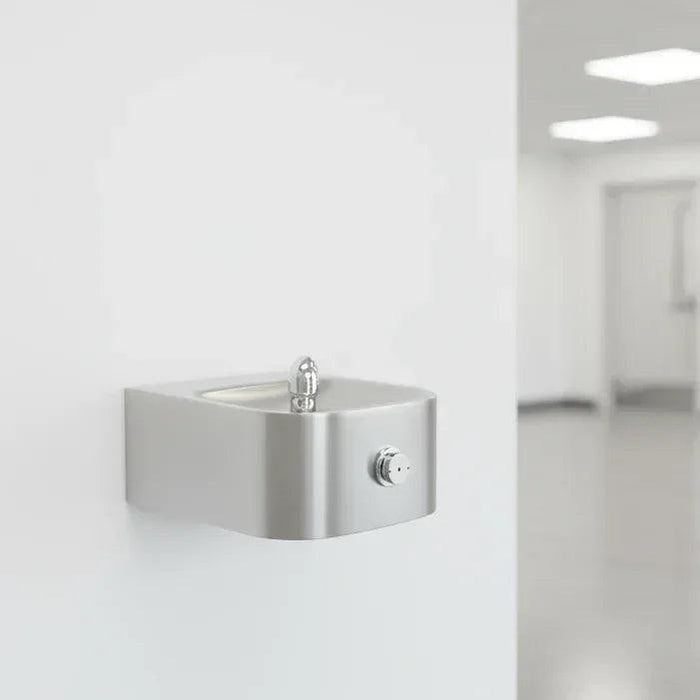
Traditional cooler or plumbed hydration station?
For many facility teams, this is the real fork in the road. A bottled water cooler is familiar and easy to place, but it comes with recurring delivery, storage, and lifting issues. It can still be the right answer in leased spaces, temporary offices, or buildings where plumbing access is limited.
A plumbed-in unit usually makes more operational sense for long-term office use. It eliminates bottle handling, supports more consistent availability, and can offer better integration with filtration and touchless dispensing. In larger buildings, this setup tends to lower hassle over time, even if the upfront planning is a little more involved.
If hygiene is a top concern, touch-free bottle fillers and sensor-operated dispensers deserve serious attention. They reduce shared contact points and better align with what employees now expect in common spaces. They also help office managers encourage reusable bottle use instead of relying on cups or single-serve beverages.
Capacity is where many office projects go wrong
A common purchasing mistake is choosing based on appearance or footprint before thinking about demand. A compact unit may look fine in a design plan, but if it cannot keep up during peak periods, users notice immediately.
Capacity is not just about how much water the unit holds. It is also about recovery rate, dispensing speed, and whether the unit chills water fast enough between uses. In an office building, demand tends to spike in waves - morning arrival, lunch, post-gym, and afternoon meetings. Equipment should be selected for those peak windows, not for average hourly usage.
For a smaller tenant office, one well-placed cooler may be enough. For larger buildings or shared commercial properties, multiple hydration points usually perform better than one oversized location. Distributed access reduces lines, supports better occupant satisfaction, and can ease wear on any single unit.
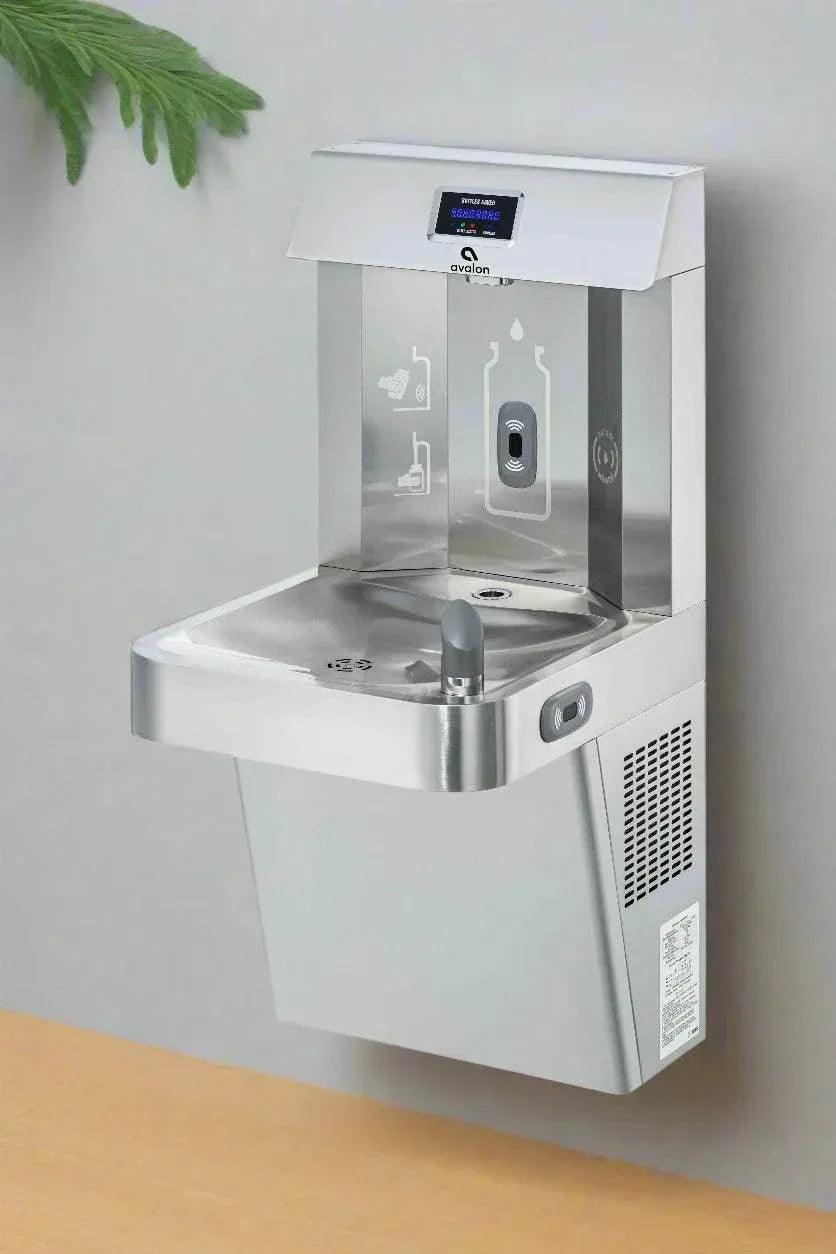
ADA access and placement are not optional details
In commercial settings, accessibility is part of the specification, not an afterthought. If the water cooler for office building installation is intended for employee or public use, the selected unit and its mounting conditions should align with ADA and barrier-free expectations where applicable.
That means buyers need to look beyond product photos. Reach range, knee clearance, activation method, mounting height, and surrounding floor space all affect whether the final installation works for real users. A compliant fixture can still become a poor installation if it is placed in a tight alcove or blocked by furniture.
This is one reason many facility teams prefer working with hydration specialists rather than general office supply vendors. The equipment itself is only part of the purchase. The planning around it matters just as much.
Filtration, chilling, and taste all affect actual usage
People use hydration equipment more when the water tastes good and arrives at the expected temperature. That sounds obvious, but it gets overlooked in budget conversations.
Filtered units are often worth the investment in office environments, especially in older buildings or areas where water taste varies. NSF-rated filtration options can improve confidence and reduce complaints. If your workforce is already carrying reusable bottles, good-tasting water directly supports adoption.
Chilled water is another practical factor. In some climates and building types, room-temperature water is acceptable. In many offices, employees expect cold water. If your building has a fitness room, warehouse attachment, or sun-exposed lobby area, chilled dispensing becomes even more important.
There is a trade-off here. More filtration and chilling features can mean more maintenance points. That does not make them a bad choice. It simply means the facility team should understand filter replacement cycles, service access, and operating costs before ordering.
Maintenance matters more than the product brochure suggests
The easiest unit to buy is not always the easiest unit to own. For office buildings, long-term maintenance should be part of the buying process from the start.
Look at the serviceability of the unit. Are filters easy to replace? Are key components accessible without major disassembly? Is the finish likely to show fingerprints, scratches, or wear in public-facing areas? Stainless steel and commercial-grade construction usually hold up better, particularly in shared spaces with mixed users.
If the cooler is going into a lobby, tenant amenity area, or public corridor, durability matters even more. High-touch common spaces can be rough on equipment. In some buildings, vandal-resistant features are not necessary. In others, they save repeated repair costs. It depends on who uses the space and how closely it is supervised.
Leak risk and drainage also deserve attention. A poorly matched unit or rushed install can create cleanup issues that quickly turn into occupant complaints. Facility managers generally do better when they choose models intended for commercial duty rather than adapting residential-style coolers to heavy-use settings.
Where to place a water cooler for office building performance
Placement should support use, not just fill an empty wall. In most office buildings, the best hydration points are near natural traffic paths - break rooms, elevator lobbies, fitness areas, conference corridors, and shared amenity zones.
The wrong placement usually creates one of two problems. Either the unit is hidden, so people do not use it, or it is placed in a pinch point where lines interfere with circulation. A good location makes refilling easy without slowing down the rest of the building.
There is also a practical difference between employee-only and public-facing placements. A cooler inside a staff kitchen can prioritize convenience and lower cost. A unit in a lobby or common corridor should usually prioritize appearance, accessibility, and tamper resistance.
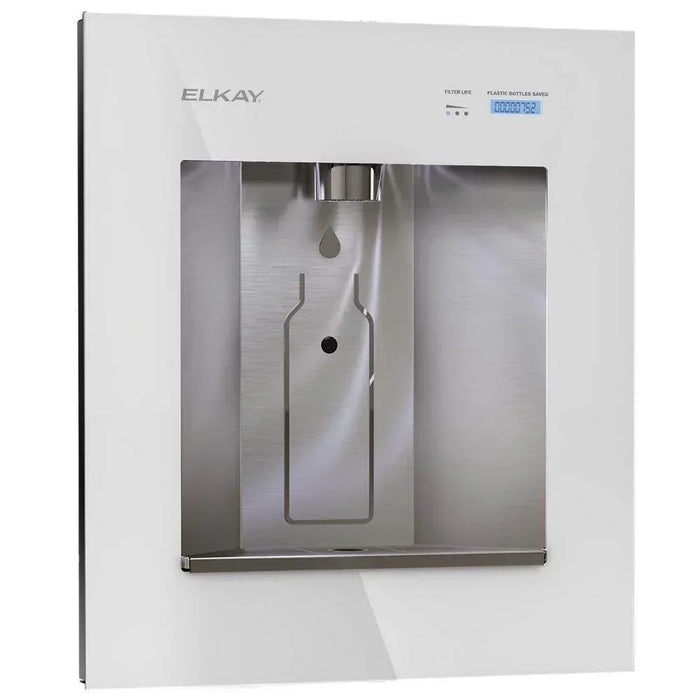
Procurement questions smart buyers ask before ordering
Commercial buyers usually have tighter timelines and less room for error than consumer shoppers. Before selecting a unit, confirm lead times, freight conditions, warranty terms, and whether the model is actually suited to the intended traffic level.
This is especially important for renovation schedules, tenant improvement projects, and seasonal planning cycles. If a building refresh is scheduled around occupancy deadlines, the wrong hydration fixture can delay closeout just as easily as any other finish item.
It also pays to think beyond purchase price. A lower-cost unit with higher maintenance needs, bottled water dependency, or shorter service life may cost more over time. Buyers comparing options should look at total ownership cost, not just the first invoice.
Trusted suppliers can help narrow this quickly. At The Fountain Direct, that means helping buyers compare office-ready water coolers, drinking fountains, and bottle fillers based on traffic, compliance needs, installation style, and long-term value - not just on a spec sheet alone.
When a cooler is not the best answer
Some office building projects start with the phrase water cooler, but the better solution turns out to be something else. If the goal is quick refill speed, hands-free use, and reduced cup waste, a bottle filling station may outperform a standard cooler. If the location serves broad public traffic, a commercial drinking fountain with integrated bottle filler may fit the environment better.
That distinction matters because office buildings are no longer planned only around break room habits. Employees, tenants, and visitors increasingly expect visible, reliable hydration access throughout the property. The best equipment choice supports that expectation without adding unnecessary service burden.
A good water setup does more than dispense cold water. It reduces friction in the day, supports wellness goals people actually notice, and gives your building one less operational problem to think about tomorrow.