

Choosing a Wall Mounted Bottle Filler Station
Compare wall mounted bottle filler station options by use case, brand, durability, and price to buy the right unit with less risk and delay.

A wall mounted bottle filler station usually gets specified fast and questioned later - when someone notices the unit is missing filtration, ADA compatibility, vandal resistance, or the right mounting format for the site. If you are buying for a school, municipal building, fitness center, office, or outdoor public space, the real job is not finding a bottle filler. It is choosing the model that fits the location, traffic level, code requirements, and budget without creating delays.
That is where buyers lose time. Too many products look similar at first glance, but the differences in activation style, cooling, filtration, freeze protection, basin configuration, and brand support matter once the order is placed. If you are close to purchase, here is how to narrow the field and buy the right unit the first time.
What a wall-mounted bottle filler station needs to do
For most commercial buyers, the appeal of a wall-mounted bottle filler station is simple. It saves floor space, fits existing building layouts, and gives users a fast refill point in a format that looks clean and modern. But the right model depends on where it will be used and who will use it all day.
In a school hallway, hands-free activation, fast fill rates, and vandal-resistant construction usually move to the top of the list. In an office or fitness facility, aesthetics, filtration, and chilled water may matter more. In a park or transit setting, outdoor-rated construction and freeze-resistant design can matter more than appearance.
That means there is no single best bottle filler station across every application. There is a best fit for your project.
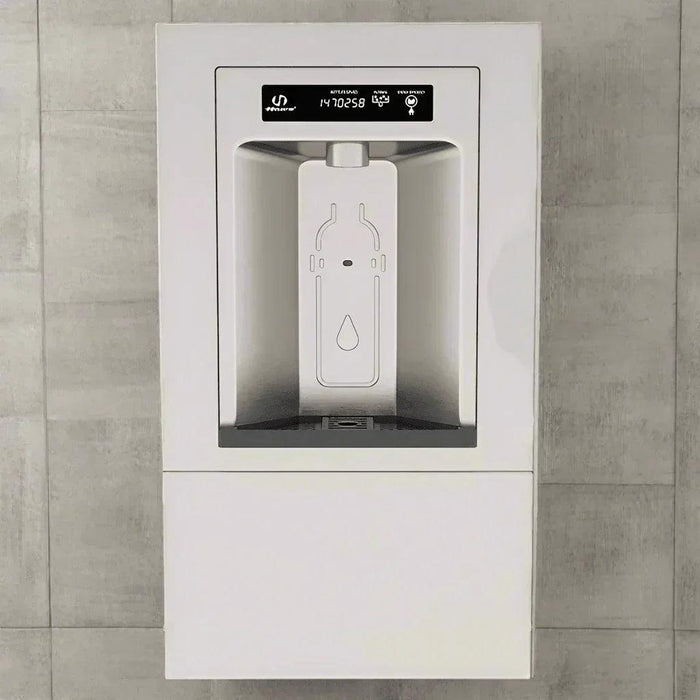
Indoor vs outdoor wall mounted bottle filler station models
This is the first split because it eliminates the wrong products quickly. If the unit is going inside a conditioned building, you can focus on indoor bottle fillers from established commercial brands such as Elkay, Halsey Taylor, Haws, or Willoughby. If it is going outside, you need to filter the options much harder.
Outdoor models need weather resistance, appropriate drainage planning, and in many climates, frost-proof or freeze-resistant performance. Many buyers make the mistake of comparing an indoor stainless unit to a true outdoor fountain and bottle filler combo because the photos look similar. They are not interchangeable.
For indoor use, the choice often comes down to whether you want a bottle filler added to a drinking fountain, a recessed unit for tighter corridors, or a standalone wall-hung station look. For outdoor use, durability and seasonality should drive the decision. If the project must stay operational in colder regions, the product needs to be chosen around climate, not just style.
The biggest buying decisions come down to traffic and abuse
If your building gets light daily use, you have more flexibility on finish and feature set. If the location sees constant student traffic, public use, or unsupervised access, you should buy for abuse resistance first and appearance second.
This is where brand selection matters. Elkay and Halsey Taylor are often strong choices for mainstream commercial indoor applications because parts availability, market familiarity, and a broad model range make procurement easier. Haws is a smart option when you need specialized commercial-grade configurations and strong institutional credibility. Willoughby becomes especially relevant where heavy-duty construction or correctional and high-abuse environments are part of the conversation.
The trade-off is straightforward. More rugged units may cost more upfront or look more utilitarian, but they can be the right buy if downtime, damage, or repeated service calls would cost more over the life of the facility.
Filtration, chilling, and touchless activation are not automatic
A lot of buyers assume these features are standard. They are not. Some units include filtration, some are filtration-ready, and some do neither without additional components. The same goes for chilling. If your spec requires cold water, confirm whether the model is non-refrigerated, remote chiller compatible, or fully refrigerated.
Touchless bottle filling has become the default expectation in many facilities, but not every model offers the same sensor performance or bottle fill speed. If your site sees heavy refill traffic between classes or during shift changes, sensor responsiveness and fill rate matter. A slower unit can create lines fast.
Filtered and chilled units are popular because they improve user satisfaction and reduce complaints, but they also increase product cost and can affect lead times. If timeline is tight, it may be smarter to prioritize in-stock commercial models from major brands rather than chase a very specific configuration that pushes the project back.
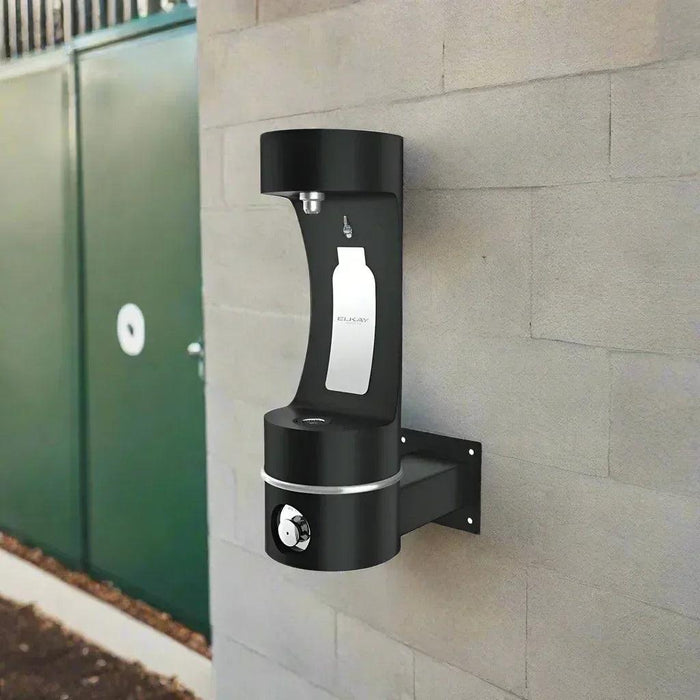
ADA and code-related fit should be decided before checkout
For many institutional projects, accessibility is not optional. Buyers need to verify whether they need an ADA-compliant bi-level unit, a single-level accessible unit, or a bottle filler integrated with an existing accessible fountain setup. This is one of the most common points of confusion because a product can be wall-mounted and still not fit your accessibility requirement.
You also need to think about projection from the wall, mounting height, and whether the fixture is replacing an existing fountain or going into new construction. A recessed or semi-recessed model may make more sense in corridors where protrusion limits are a concern.
This is not the place to guess. A model that looks right online but does not fit the project conditions can turn a simple purchase into a return request, field delay, or change order.
Stainless steel is common, but not every stainless unit is equal
Most buyers start with stainless steel because it works in almost every commercial setting. That said, gauge, finish quality, and fixture design still separate an average unit from one that holds up under daily use.
For schools, parks, and public buildings, look closely at push areas, nozzle protection, basin design, and how exposed the vulnerable parts are. Sleek styling is nice, but if the unit is going where misuse is likely, protected components are more valuable than a polished look. In office and hospitality settings, cleaner aesthetics may justify the premium.
If graffiti, impact, or tampering is part of the risk profile, move toward purpose-built vandal-resistant products rather than a standard office-grade bottle filler.
Buying by use case is faster than buying by feature list
Most serious buyers get better results when they start with the site, not the spec sheet. A K-12 school, for example, typically needs high throughput, touchless activation, dependable filtration options, and a brand with long-term parts support. A municipal park may need an outdoor-rated wall unit or a different format entirely if freeze risk is high. A gym may prioritize filtered, chilled water and modern styling because the user experience matters more than extreme abuse resistance.
That is also why price shopping bottle filler stations line by line can backfire. The lowest item price is not always the lowest project cost if the unit lacks the features your site actually needs or ships on a longer timeline. Serious procurement teams look at total fit, warranty support, and replacement risk, not just the first number on the quote.
Where buyers usually overpay
Bottle filler stations are specialized commercial fixtures, but they are often sold through broad-line marketplaces and catalog distributors that do not add much value. That can mean inconsistent model guidance, unclear availability, and higher pricing once freight or tax gets added back in.
A specialist retailer matters here because the product category is narrow and the buying questions are specific. You are not buying a generic plumbing accessory. You are buying a code-sensitive, brand-specific fixture that needs to match the jobsite, user load, and facility expectations.
That is why many buyers prefer working with a focused source that understands the differences between Elkay, Haws, Halsey Taylor, Stern Williams, and Willoughby models and can help narrow the right option without sending them through a general catalog.
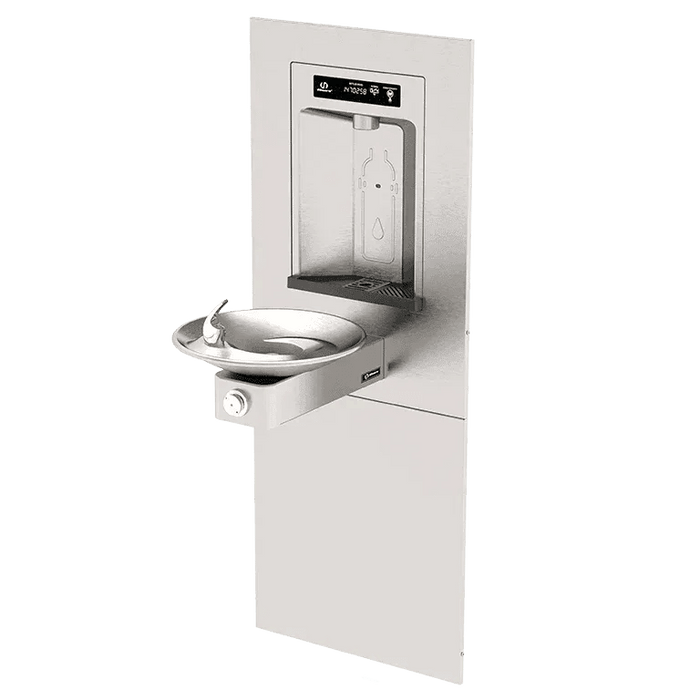
What to look for before you place the order
Before purchasing, confirm five things: the installation type, indoor or outdoor rating, ADA requirement, filtration and chilling configuration, and expected lead time. Those five points eliminate most ordering mistakes.
After that, compare warranty coverage, manufacturer reputation, and the actual buying terms. Manufacturer warranty matters. So does free freight shipping. So does avoiding sales tax where applicable. On a commercial fixture order, those details can shift the real purchase cost more than many buyers expect.
Trusted by 800+ customers, The Fountain Direct is built for this kind of purchase. We focus on commercial and institutional drinking fountains and bottle fillers, offer Lowest Price Guaranteed with price match protection, free freight shipping, no sales tax, a 30-day return policy, and manufacturer-backed warranty coverage on every unit. That is a better buying experience than sorting through a general supply site and hoping the product matches the project.
If you are comparing wall-mounted options now, the smartest move is to buy based on the location, traffic, and compliance needs first - then choose the brand and feature set that fits your timeline and budget. The right unit should solve the project cleanly, arrive without surprises, and still look like the right call a year from now.