

Choosing Public Beach Shower Stations
Compare public beach shower stations by material, mounting, vandal resistance, and drainage to choose the right fit for parks and resorts.

Salt air destroys cheap fixtures fast. If you are buying public beach shower stations for a park, resort, marina, campground, or HOA beachfront property, the real question is not whether you need showers. It is which models will still look good, work properly, and justify the spend after heavy seasonal use, sand exposure, and constant public traffic.
That is where buyers usually separate into two groups. One group shops by price alone and ends up replacing units early. The other group buys with corrosion resistance, mounting style, user volume, and service life in mind. If you are responsible for procurement, construction, or facilities, the second approach saves time, callbacks, and budget.
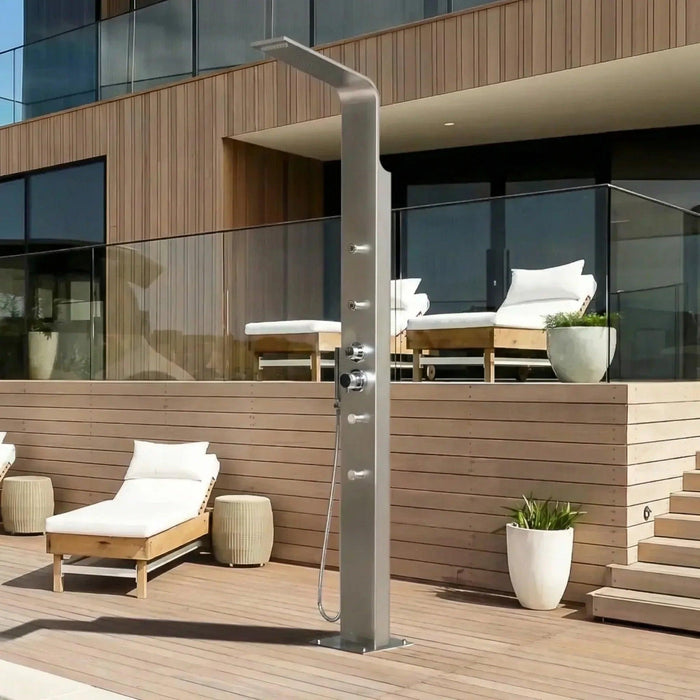
What buyers should look for in public beach shower stations
A beach shower is not the same as a pool shower in a controlled private setting. Public use changes the standard. You need hardware that can handle abuse, weather swings, and users who are not gentle with push buttons, valves, or risers.
Material is the first filter. In coastal environments, stainless steel is often the safest choice because it offers the clean look most municipalities and resort operators want while holding up better than lower-grade finishes. Powder-coated options can work in the right setting, especially where appearance matters and the location is not directly exposed to the harshest salt conditions, but the environment should drive that decision. If the unit is going right on or near the beach, corrosion resistance usually matters more than cosmetic flexibility.
The next factor is traffic. A low-use shower near a private dune walkover does not need the same build as a heavily used public rinse station at a city beach entrance. Higher-use sites benefit from commercial-grade valves, thick-gauge construction, and simpler actuation that reduces failure points. Fancy features are less important than durability when hundreds of users may hit the fixture every day during peak season.
Then there is drainage and site design. Some buyers focus only on the shower column and forget that user experience also depends on where sand and runoff go. A well-chosen shower in a poorly planned location still creates a mess. If your project is on a fixed timeline, it makes sense to evaluate the shower and the site together rather than buying a fixture first and dealing with drainage headaches later.
Wall-mounted vs freestanding public beach shower stations
This is one of the fastest ways to narrow your options.
Wall-mounted units make sense when you already have a durable support surface and want to keep the footprint tight. They are common at clubs, hotels, and managed recreational properties where a building wall, equipment enclosure, or restroom exterior is already part of the plan. They can also reduce clutter and sometimes simplify the visual layout of the beach access area.
Freestanding units are usually the better choice for parks, open beachfront entries, campgrounds, and municipal sites where users need access away from a building. They give you more placement flexibility and are often easier to incorporate into new site development. If you are designing a stand-alone rinse-off area, freestanding is typically the cleaner answer.
The trade-off is straightforward. Wall-mounted can be efficient if the structure is already there and built to support commercial use. Freestanding gives you more freedom but requires confidence in anchoring, site readiness, and overall layout. Buyers comparing bids should think beyond fixture price and look at total project fit.
Single-user or multi-user layout
A single shower station can be the right buy if the location serves modest traffic or acts as a secondary rinse point. It keeps costs controlled and works well for smaller beaches, private clubs, condo properties, and limited-access waterfront amenities.
But many public projects undersize here. If your site sees family groups, athletic traffic, or weekend surges, a single-user layout may create lines and frustration. Multi-user configurations or multiple single stations spread across the access point often perform better in real-world use. The best buying decision depends on volume, not wishful thinking.
For resorts and hospitality properties, throughput also affects perception. Guests do not judge the engineering. They judge whether they had to wait in line while tracking sand through common areas. For municipalities and parks, the same issue becomes a maintenance and cleanliness problem. Better rinse-off access usually supports a cleaner surrounding facility.
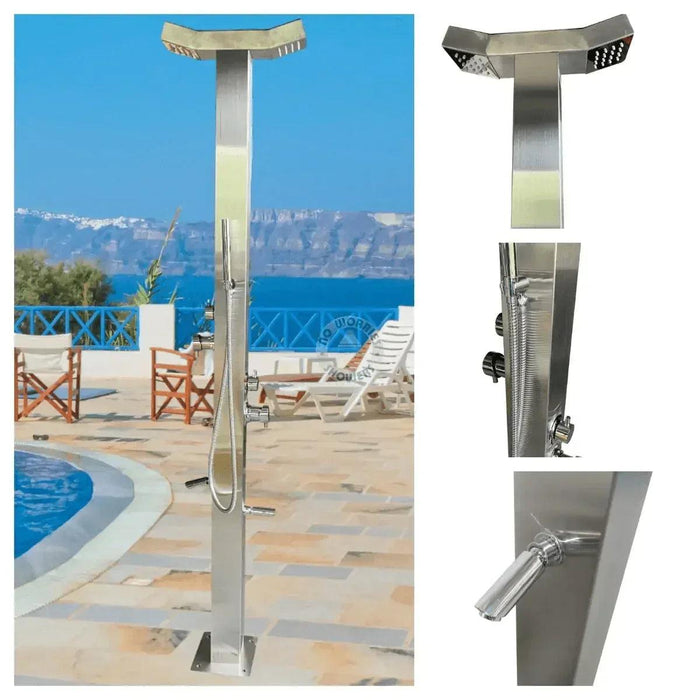
Features that matter and features that usually do not
Buyers often ask for a long feature list, but most public beach shower stations win or lose on a short set of practical details.
Vandal resistance matters. Simple, durable controls matter. Commercial-grade valves matter. Corrosion-resistant construction matters. Stable mounting matters. Those are the basics that hold up in public settings.
What matters less depends on the site. Decorative styling can be worthwhile at hotels, beach clubs, and high-end residential communities where aesthetics are part of the brand experience. In a city park or public shoreline access point, durability usually outranks appearance. Likewise, highly specialized spray patterns or extra accessories are only useful if they solve a real problem for your users.
If your team is reviewing products from multiple manufacturers, ask a direct question: is this a commercial public-use fixture or a lighter-duty outdoor shower dressed up for the category? That distinction matters. Some units look the part online but are better suited to lower-traffic private settings.
Brand and product selection should match the site
A procurement team buying for a public beach, marina, school waterfront, or resort should expect more than a generic catalog listing. You want proven commercial brands, clear specifications, and product options that align with how the site will actually be used.
That is why specialist sourcing matters. The better manufacturers in this category understand outdoor exposure, institutional purchasing, and the need for durable components. Buyers comparing brands should look for a track record in commercial and institutional settings rather than focusing only on a photo or a headline price.
Lead time can also decide the purchase. Seasonal projects have hard dates. If you are trying to open a beachfront area before summer traffic hits, waiting on the wrong unit can throw off the full schedule. This is especially important for municipalities, schools, and hospitality operators working around fixed calendars. Ordering earlier in the cycle gives you better options and fewer compromises.
Where buyers make expensive mistakes
The most common mistake is underbuying for the environment. Coastal exposure punishes low-grade materials. What looks like savings upfront can turn into corrosion, complaints, and early replacement.
The second mistake is underbuying for traffic. A station that is acceptable for a private pool deck may not survive a public shoreline access point. Public means more force, more sand, more misuse, and more demand. If the fixture is going into a true public-use setting, buy accordingly.
The third mistake is buying from a seller who does not really specialize in commercial outdoor water fixtures. When specs are vague, product selection is broad but shallow, and support is generic, buyers end up doing too much guesswork themselves. That is not what you want when you are spending public funds, meeting a project deadline, or trying to avoid rework.
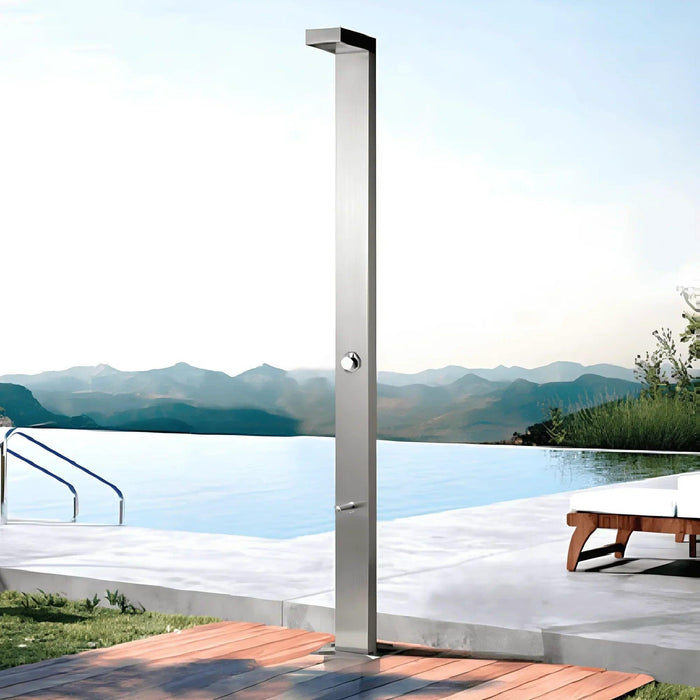
Why specialist purchasing matters for public beach shower stations
If you are actively comparing public beach shower stations, price still matters. It just should not be separated from freight cost, warranty coverage, return policy, manufacturer quality, and whether the seller actually understands commercial applications.
That is where a specialist retailer has the advantage. You are not sorting through random outdoor fixtures from a general hardware source. You are buying from a company focused on commercial and institutional-grade fountains, bottle fillers, outdoor showers, and related products used by real facilities teams and project buyers.
At The Fountain Direct, buyers get access to trusted U.S. brands, manufacturer warranties, free freight shipping, no sales tax, a 30-day return policy, and a Lowest Price Guaranteed approach backed by price matching. That matters when you are balancing spec requirements with budget pressure. It also matters when you want fewer surprises after the purchase order is issued.
Trusted by 800+ customers, we work with the kind of buyers who need straight answers, not fluff - facility managers, contractors, park departments, schools, hospitality operators, and property managers with a project to finish.
If your beach project is moving this season, the smart buy is the one that matches the site, survives the environment, and arrives from a seller that understands the category. Choose public beach shower stations the same way you would choose any other heavily used site fixture - by service life, fit, and total value, not just the lowest line item. That is how you avoid buying twice.